
Commercial Insurance Renewal Checklist
What to Review Before You Re-Sign
5 Things a CFO Should Review Before Insurance Renewal
Index

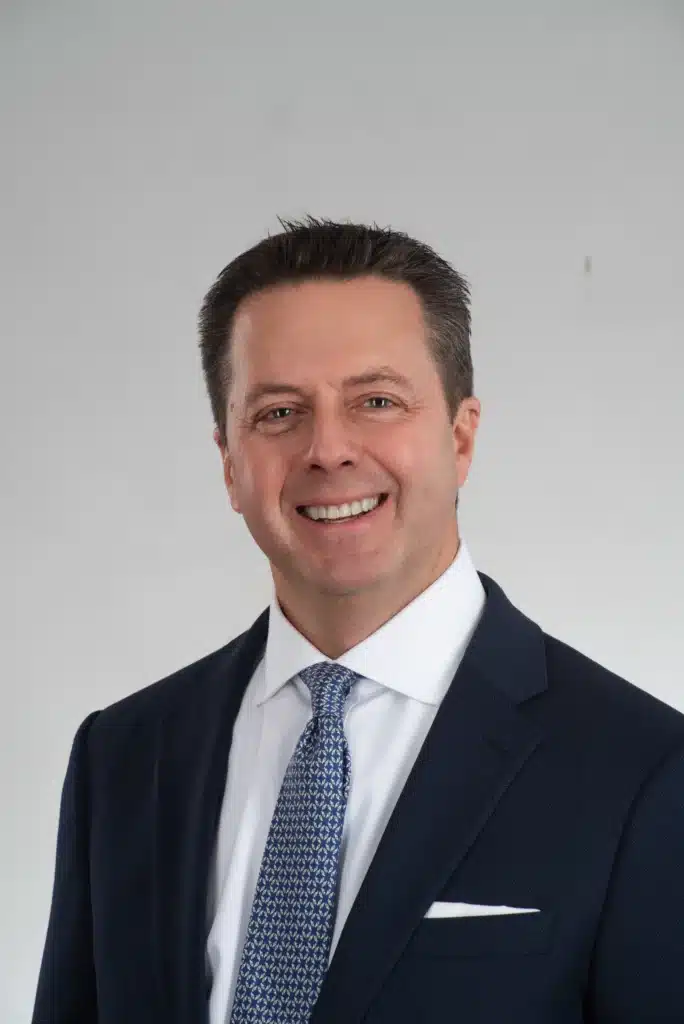
Gordon B. Coyle
CEO, The Coyle Group
845-474-2924
How to get started
Your renewal notice lands, the premium jumped, and nobody can tell you why.
You have never filed a claim, nothing about the business changed on paper, and the number still went up.
Or worse, you did not hear from your broker until a week before the renewal date, sometimes the day before, and now you are scrambling to find alternatives with no time left.
That feeling of being handed a bill you cannot question is the real problem, and it is fixable.
The Coyle Group is a commercial insurance agency for business owners who’ve outgrown one-size-fits-all coverage and need a specialist who understands the nuances.
This checklist is written for founder-led and mid-market companies, the owners, CFOs, and operators who carry real property, fleets, payroll, and layered contracts, not a single-location startup with a simple package policy.
Over 40 years, I have audited hundreds of programs at renewal, and I want to give you the checklist I wish every business owner had before they signed.
The renewal feels like a surprise invoice, but it does not have to be.
You want to know you are not overpaying, not underinsured, and not locked into bad terms because nobody asked the right questions in time. A commercial insurance renewal checklist run 90 to 120 days early puts you back in control.
Want a second set of eyes before you re-sign?
TL;DR. Executive Summary
Start your renewal 90 to 120 days before expiration, not 30.
Audit what changed in the business, pull five years of loss runs, update your statement of values to real replacement cost, pressure-test your limits and exclusions, and decide whether to remarket.
The commercial insurance renewal checklist below walks through every step, plus the carrier and certificate checks almost nobody does.
Why does my insurance renewal feel like a surprise every year?
Because most renewals are treated as a rubber stamp instead of a review, and the surprises are baked in by then. Here is the part nobody says out loud: a renewal can arrive “flat” and still be wrong, and a big increase is not always about you. In my experience, roughly nine out of ten insurance programs we audit contain at least one fatal flaw, and renewal is where those flaws quietly compound.
When you do nothing, three things tend to happen.
The insurance industry did not build this system to help you understand it.
That is exactly why a structured review matters.
If your renewal is close and you feel that scramble coming, contact us before you sign anything.
When should I start my commercial insurance renewal?
Start your renewal 90 to 120 days before your expiration date, not 30. That early start is the single biggest predictor of a clean renewal, and here is the catch most owners miss: the work is front-loaded, so the deadline that actually matters is 120 days out, not the expiration date itself. From what I have seen over 40 years, the businesses that get blindsided are almost always the ones that started the conversation too late.
A renewal is mostly project management. Give yourself a runway and the options stay open. Leave it to the last minute and you sign whatever lands on your desk.
Use this timeline as your commercial insurance renewal checklist backbone.
Days before renewal |
What to do |
What to gather |
|---|---|---|
|
120 days |
Confirm the expiration date and who owns each step. Kick off the review. |
Current policies, endorsements, schedules, prior applications. Request five years of loss runs. |
|
90 days |
Update exposures and flag anything unusual versus last year. Decide: stay with the incumbent or remarket. |
Payroll, revenue, headcount, locations, vehicles, new contracts, operational changes. |
|
60 days |
Build a complete, carrier-ready submission and send it to the market. |
Updated ACORDs, statement of values, EMR worksheet, cyber and EPLI supplements, loss narrative. |
|
30 days |
Compare quotes on terms, not just price. Negotiate with the incumbent using real competition. Bind before expiry. |
Quote comparison, recommendations, updated certificates of insurance. |
Note that loss runs alone can take up to 10 business days to arrive, and in some states insurers are required to return them within about 10 days.
That lag is exactly why 30 days is not enough runway.
To see how this fits your wider review rhythm, how often you should review your business insurance is a useful companion read.
Want help building your renewal timeline?
What do I need to gather before renewal?
Everything an underwriter needs to price you accurately, prepared before you ask for a single quote. The direct answer is a document packet, and the twist is that the quality of this packet, not your loss history alone, often decides your renewal price. When we see underwriters return a hard number, it is usually because the submission told a complete story instead of leaving gaps for them to price defensively.
Here is the core document checklist most business owners are never handed:
A few practical notes make this packet far stronger:
Prepared well, this packet is your leverage. Prepared late or not at all, it is why your quote comes back high.
Most competitor checklists skip this entirely, which is exactly why their readers get surprised.
If you want a template packet for your line of business, contact us and we will walk you through it.
What Should I Review Before My Insurance Renews?
Check whether the coverage still matches the business as it operates today, because a flat premium can still hide a dangerous gap. Lead with limits and values, then look past the declarations page to the exclusions, which is where the real surprises live. In my experience, this is the step that separates a policy that pays from a policy that denies.
Work through the coverage that actually moves the needle:
Then handle the policy-level details a generalist tends to skip, because these decide whether a claim is even eligible:
This is the heart of the review, and it is worth reading alongside whether your business is underinsured.
Real example from our audits.
A manufacturer expanded to a second location and never updated the property policy to reflect it. When a fire broke out at the new facility, the loss was not covered, and it cost them hundreds of thousands of dollars out of pocket. Nothing on the renewal looked wrong. The policy simply no longer matched the business.
Not sure whether your policy still fits your operations? and we will pressure-test it with you.
What are the most common coverage gaps found at renewal?
The most common gaps come from the business changing while the policy stood still, and renewal is where they surface. The direct answer is that growth and everyday operational changes quietly outrun your coverage, and the twist is that these gaps rarely show up as anything alarming on the renewal itself. What we see in practice is that the policy looks familiar, the premium looks reasonable, and the exposure underneath has shifted completely.
These are the gaps I see over and over when I audit a commercial insurance renewal checklist against how a business actually runs:

Each one is cheap to fix at renewal and expensive to discover at claim time.
Contact Us if any of these sound familiar, for a coverage-gap review.
Why did my premium go up, and how do I push back?
Your premium rose for one of a handful of reasons, and most of them are negotiable if you start early. The direct answer is claims, exposure growth, property revaluation, or a hardening market, and the part brokers rarely mention is that nearly two-thirds of businesses find savings simply by shopping the renewal. Over 40 years I have learned that the increase itself is rarely the problem; going in with no leverage is.
First, understand the drivers:

Then, once you understand the drivers, push back with strategy rather than hope:
To be fair, not every increase is a problem.
If your revenue and payroll grew, you added vehicles or locations, or you took a real loss, a higher premium can be entirely justified, and remarketing every single year can actually work against you by signaling instability to carriers.
The goal is not to fight every increase; it is to know which part is you, which part is the market, and whether the coverage still fits.
If your premium jumped and you are weighing your options, this is the moment a broker earns their keep. Contact us for a straight read on whether your increase is justified.
Is my broker actually doing this for me?
They should be, and if you have not heard from them 90 days out, that silence is your answer. The direct answer is that a good broker owns most of this checklist on your behalf, and the loop worth closing is what to do when yours does not. From what I see in practice, the most common renewal complaint is not price, it is a broker who went quiet until the deadline.
A broker who is doing the job will, well before renewal, do the following:

This is the difference between an advisor and an order-taker, and it is where a specialist earns the fee a generalist does not. A generalist tends to re-quote whatever you already had and place it with whatever market is easiest, which is how named-insured errors, stale values, and missing endorsements survive year after year.
A specialist knows which underwriters will actually write your class of business, can access markets a generalist has no appointment with, and builds the submission to be priced accurately instead of defensively.
If yours is not doing these things, it is worth knowing what your broker should actually be doing and what a broker should review at renewal. And if the pattern of silence keeps repeating, the signs it is time to switch brokers are worth an honest look.
Ready for a broker who calls you first?
How do I know my carrier and certificates hold up?
Check your carrier’s financial strength rating and confirm your certificates and contract requirements still comply, because a cheap policy from a weak carrier is no bargain. Lead with the carrier’s rating, and here is the step almost no checklist online includes: after you bind, you still have to audit the policy against the binder. In my experience, this last mile is where quietly broken renewals hide.
Run these final checks:

None of this is glamorous, and that is precisely why it gets skipped.
Reviewing your coverage before renewing is exactly the kind of consumer diligence the National Association of Insurance Commissioners encourages, and it is the cheapest protection you will ever buy.
If you want us to run these checks for you.
Get a second set of eyes before you re-sign
The single best move before any renewal is an independent review of what you actually have. The direct answer is do not sign on autopilot, and the reason is simple: the shopping exercise most owners run, pitting three brokers against each other on price, usually just compares variations of the same mistakes. I call it the apples-to-apples comparison trap. You are not comparing better options; you are comparing whatever your last broker already got wrong.
It shifts the renewal from a price question to a protection question.
Over 40 years I have found that when you review coverage against how the business actually operates, you often close serious gaps and reduce your total cost of risk at the same time.
This is ultimately where The Coyle Group comes in.
You can start from our insurance advice for business owners hub, or simply have one conversation with us before you re-sign. and walk into your renewal in control, knowing exactly what you are signing and why.
The Coyle Second Opinion
9 out of 10 business insurance policies we review have a gap that would sink a claim
Yours might be one of them, and the only time you find out is when you file a claim and it gets denied. Send us your policy for an independent, confidential read: what’s covered, what’s missing, what you’re overpaying for. We never contact your broker or shop the market. Flat $2,500, refunded in full if you don’t get real value.



The team that reads your policy, line by line.
Questions about Commercial Insurance Renewal Checklist?
Get the Right Coverage for Your Commercial Insurance Renewals
We audit the program, not just the price. In more than 40 years of reviewing commercial insurance, we find that nine out of ten programs carry at least one fatal flaw, and we catch those gaps before a claim does, not after.
We are advocates, not order-takers. We reach out well before your renewal, explain every change in plain language, and use carrier relationships a generalist broker simply does not have to place your account where it belongs.
We put protection ahead of price. We build your coverage around how your business actually operates and work to lower your total cost of risk, so you walk into every renewal covered, confident, and never blindsided.

This article was written by the CEO of The Coyle Group, Gordon B. Coyle, CPCU, ARM, AMIM, PWCA, who has over 40 years of experience working with business owners of all sizes and industries across the US, solving their insurance challenges.
Here’s how to take the next step
Schedule Your Insurance Confidence Assessment
In our 30-minute call, you’ll discover:
Not ready for a call?
Get Free Access to Our Gated Video:
“How to Finally Feel Confident in Your Coverage. “
And discover the exact system we use to help business owners eliminate hidden coverage gaps, stop overpaying, and finally feel confident in their protection.
What Peace of Mind Looks Like
Trusted by business owners across the U.S.
The Coyle Group is 1st class! Gordon and his team are knowledgeable, responsive, and attentive to detail. Gordon is that rare breed of professional who genuinely cares for his clients and works hard to exceed their expectations. I highly recommend them.

The insurance brokerage service was truly tailored to my needs, nothing like those big brokers who steer you toward random policies that don’t fit your profile. Thank you to the team for your help.

I was working with another broker and having difficulty acquiring General Liability coverage. A colleague recommended The Coyle Group. They were able to get coverage bound in just a couple of business days and a policy issued in ten days, and with a solid carrier at a competitive premium. Truly impressive results, plus it was a pleasure working with them. I highly recommend the Coyle Group!

If any business is looking to work with an insurance brokerage firm that is not only excellent at what the firm does, but one that deeply values the needs of the clients, then The Coyle Group is the firm for you. Give them a call and see for yourself. I can assure that you will quickly agree.

Want to know more?
See related blogs

The Crowdstrike Debacle and Cyber Insurance
Third Party Employment Practices Liability Insurance. Protect Your Business

Are You Overpaying or Underinsured on Your Business Insurance?
