
Importer Insurance
Protecting Your Business from Supplier to Customer
Importer Insurance Explained: How to Protect Your Business
Index

Gordon B. Coyle
CEO, The Coyle Group
845-474-2924
How to get started
Executive Summary
Importer insurance is a package of commercial insurance policies designed to protect businesses that source goods from foreign suppliers, covering financial losses from cargo damage, product liability, supplier default, and trade disruption from the point of origin through final delivery.
If your business relies on overseas suppliers, shipping partners, or warehouse storage, you know how fragile global trade can be. One small problem, a delay, damaged shipment, or quality issue, can disrupt your entire operation.
That’s where importer insurance comes in. It protects your business from the unpredictable risks of international trade, covering your goods from the moment they leave the factory overseas until they reach your customer’s hands.
TL;DR
Not sure if this applies to you? If your business sources goods exclusively from U.S.-based manufacturers, standard commercial general liability may already cover your product exposure. Importer insurance is specifically designed for businesses with overseas supply chains. If that’s not you, product liability insurance may be the better starting point.
What Exactly Is Importer Insurance and Why Is It Crucial?
Definition & Core Purpose
Common scenarios it addresses:
To fortify your supply chain and protect your profitability.
Common Risks Importers Face
Importers face a distinct set of exposures that standard policies often overlook. Recognizing these risks is the first step toward robust protection.
Transit Damage and Cargo Loss
Supplier or Manufacturer Shortcomings
Product Liability for Imported Goods
Customs, Compliance, and Seizure Risks
Here’s how these exposures are effectively managed:
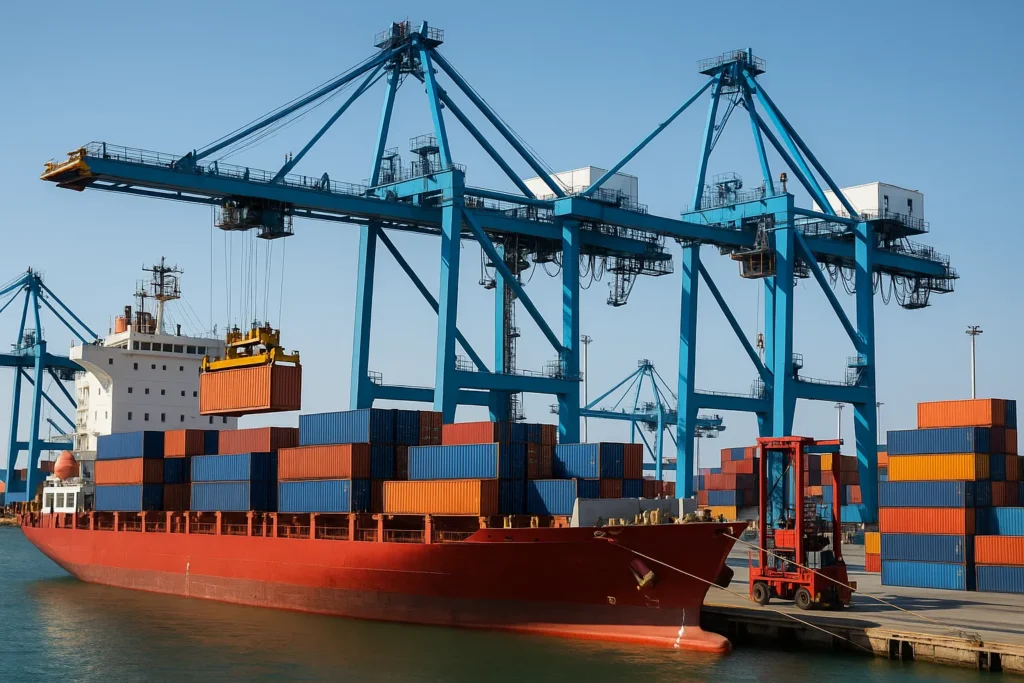
While deliberate violations remain uninsurable, these specialized extensions effectively bridge costly gaps that could otherwise jeopardize a shipment or an entire season’s profits.
Warehousing Risks (Including 3PLs)
“If you operate as a wholesaler or distributor, you face unique inventory exposure that requires specialized attention.”
Business Interruption and Shipment Delays
How Tariffs Are Raising the Stakes for Importers
The tariff environment in 2026 has created a specific and underappreciated insurance problem. When tariffs pressure margins, importers move fast. They switch suppliers to find lower costs, cut quality control spending to preserve profit, and source from factories they have not vetted. That speed creates defects and recall exposure that their existing insurance program was never designed to cover.
Key risks introduced by the tariff environment:
Unvetted supplier exposure:
When importers pivot to new overseas suppliers under time pressure, they often skip the quality audits and vetting processes that protect them. Sedgwick’s 2025 US Product Recall Index found that consumer product recalls reached a 14-year high in Q1 2025, with a 91% increase from the previous quarter, driven in part by supply chain disruption from tariff pressure.
Ingredient and component substitutions:
In food, supplements, and automotive, tariff pressure is pushing companies toward cheaper ingredient substitutions from unfamiliar sources. “When companies move too quickly to find alternative suppliers, they can end up with substandard components, different chemicals, unknown processes, inconsistent quality. That’s where risk creeps in,” said Chris Harvey, Senior VP at Sedgwick.
Recall spike risk:
Insurance Business America reported in 2025 that the U.S. could see a significant spike in recalls across consumer goods, food, and automotive as supply chains absorb tariff pressure. For importers, recall costs are NOT covered by product liability insurance. They require a separate product recall policy (see the exclusions section below).
Coverage review trigger:
Any time you change a supplier, switch a country of origin, or restructure your supply chain, your insurance program needs to be reviewed. Product type, country of origin, and supplier vetting all factor into how carriers underwrite your risk. A supplier switch that goes undisclosed can create a coverage gap at renewal.
What Does Importer Insurance Typically Cover?
While each importer’s risk profile is unique, a robust importer insurance program generally encompasses:
Cargo & Transit Insurance
Protects your goods against loss, theft, or damage during transit, whether by sea, air, or land. Coverage extends from the point of origin overseas through to delivery at your facility or directly to your customer.
Product Liability Insurance
Defends your business against claims if imported products cause bodily injury or property damage. This includes coverage for legal defense costs, settlements, and judgments, a critical safeguard, as importers are frequently held legally accountable for product defects.
Property & Warehouse Coverage
Protects your inventory while it’s stored domestically before distribution. Whether you own your warehouse or use a 3PL, this coverage ensures your stock is protected at its full replacement value.
Cyber & Crime Add-Ons
Offers protection against losses resulting from fraudulent wire transfers, phishing schemes, or social engineering tactics. Given the rise in phishing attacks targeting international transactions, this coverage is increasingly essential when dealing with overseas suppliers and customs payments. Understanding what cyber insurance covers helps you protect against digital threats that can disrupt your entire import operation.
Surety Bonds / Customs Bonds
Required by U.S. Customs for importers, these bonds guarantee the payment of duties, taxes, and fees, ensuring smooth clearance processes. We assist you in obtaining the appropriate bond efficiently.
What a Coverage Gap Looks Like in Practice
A mid-sized importer of consumer electronics sourced a line of portable chargers from a factory in Shenzhen, China. After distribution to major retailers, three units overheated and caused property damage. The retailer filed a $950,000 product liability claim against the importer.
Their existing commercial general liability policy denied the claim.
Legal defense alone cost $140,000 before the matter was resolved.
A properly structured importer insurance program, product liability coverage that explicitly covers goods manufactured abroad, placed on an occurrence basis with appropriate limits, would have covered both the defense costs and the settlement in full.
This gap is common. It is entirely avoidable. And it is exactly what we check for before we bind a single policy for an importing client.
Important: Product Liability Insurance Does NOT Cover Product Recalls
This is the most common coverage misconception among importers.
Product liability insurance covers claims when a customer is injured or property is damaged by your product. It pays legal defense costs, settlements, and judgments.
It does not cover the cost of retrieving a defective product from the market.
If you need to issue a recall, the costs of consumer notifications, return shipping, product destruction, replacement inventory, and crisis communications require a separate product recall insurance policy.
For importers in food, supplements, children’s products, electronics, or any regulated category, this distinction is not a technicality. It is a six- or seven-figure coverage gap. The average product recall costs $10 million in direct costs before any litigation is added.
If you import any product category subject to CPSC or FDA oversight, ask specifically whether product recall coverage is included in your program or whether a separate policy is needed.
What Importer Insurance Typically Does NOT Cover
Understanding the gaps is as important as understanding the coverage. Common exclusions across an importer insurance program include:
A well-structured importer insurance program addresses these gaps through endorsements or layered coverage, something a specialist broker can identify during program design.
Trade Credit Insurance: The Final Frontier of Protection
Why It’s Essential
Importers often pay their overseas suppliers upfront, endure lengthy shipping times, and then extend credit terms to their domestic customers. This extended cycle leaves your working capital exposed.
Trade Credit Insurance empowers you to:
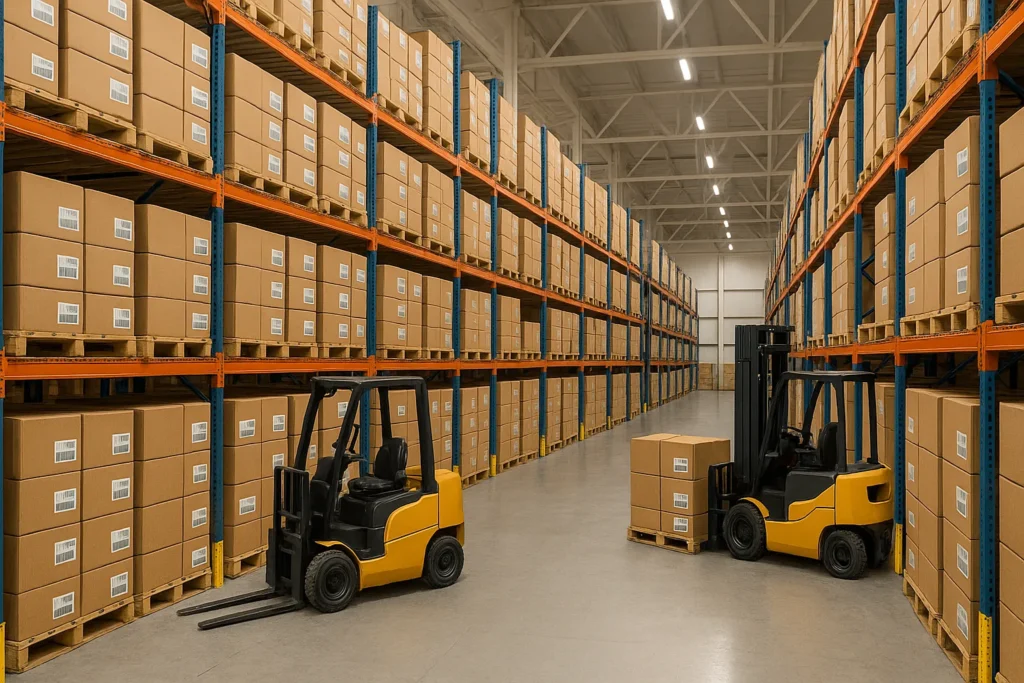
How Trade Credit Insurance Operates
At The Coyle Group, we frequently integrate trade credit coverage with importer insurance programs. This holistic approach safeguards not only your goods and operations but also your accounts receivable, providing comprehensive protection from port to payment.
And discover how The Coyle Group can safeguard every step of your supply chain.
Why Standard Business Insurance Falls Short for Importers
A common misconception among importers is that their existing business insurance or their freight forwarder’s coverage is adequate. Unfortunately, this assumption is often the root cause of significant uninsured losses.
Here’s why standard policies fail importers:
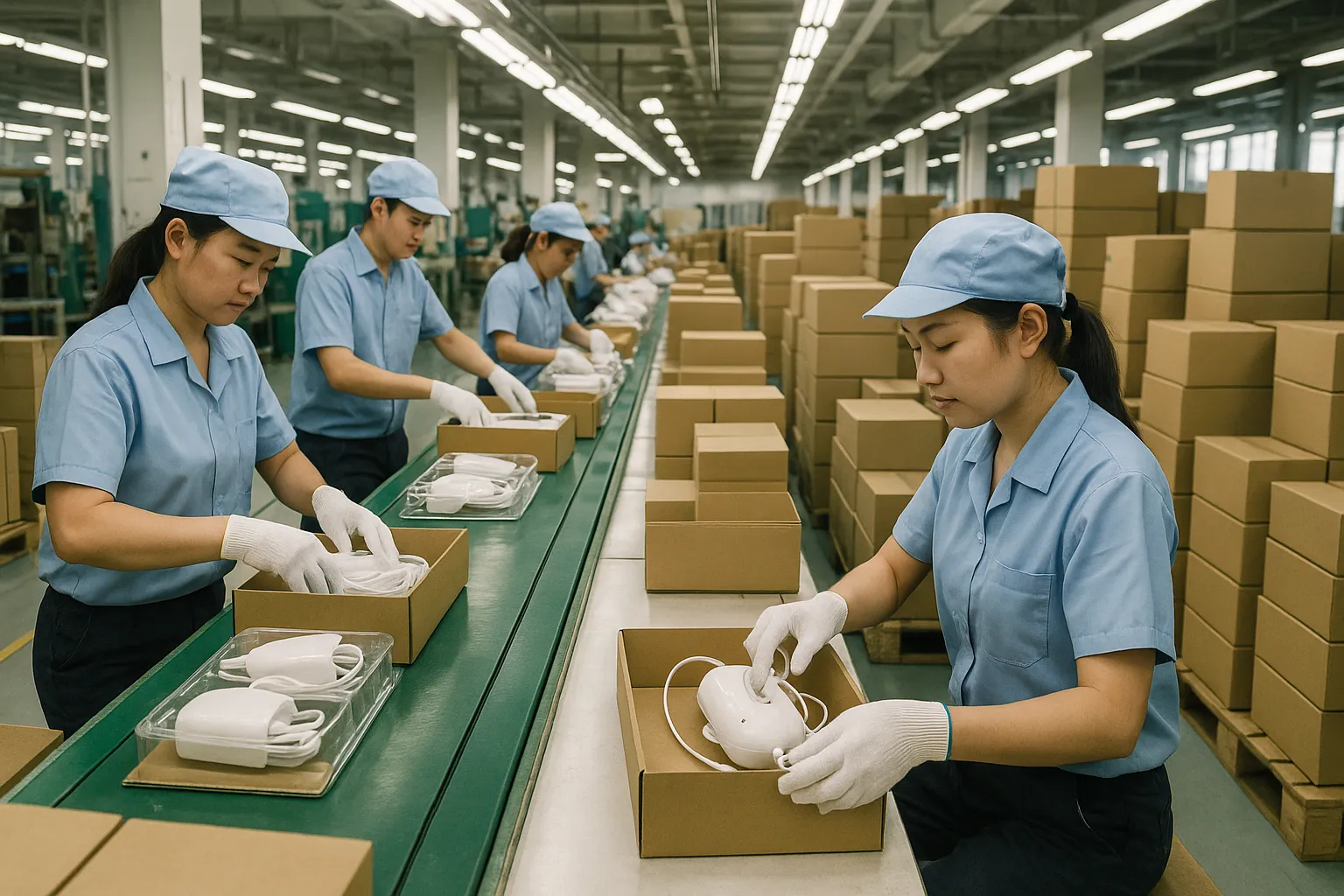
This is precisely why international insurance coverage is not optional for businesses engaged in global trade.
How Your Incoterms Determine Where Your Coverage Must Start
Your Incoterm is not just a shipping term. It determines the exact moment risk transfers from your supplier to you, and therefore the exact moment your coverage must be active. Most importers discover this only after a claim is denied.
FOB (Free on Board)
Risk transfers to you the moment goods are loaded onto the vessel at the port of origin. Your insurance must be active from that point. If goods are damaged at sea, in transit, or at a U.S. port before you take possession, it is your claim to file, not your supplier’s.
CIF (Cost, Insurance and Freight)
Your supplier is required to provide minimum insurance to the destination port under Institute Cargo Clauses C, the weakest available standard. This covers basic perils only. It excludes theft, many common causes of loss, and ends at the port, not your warehouse. If you rely on CIF coverage provided by your overseas supplier, you are almost certainly underinsured from the destination port forward.
DDP (Delivered Duty Paid)
The seller bears the risk to your door. This sounds protective. In practice, if your overseas supplier does not carry adequate insurance that is enforceable in U.S. courts, and most Chinese and Vietnamese suppliers do not, a DDP clause provides no real protection when you need to file a claim.
Regardless of which Incoterm is on your purchase orders, you need your own cargo coverage that begins at the point of risk transfer and runs through to final delivery. Do not rely on seller-provided CIF insurance or DDP assurances from a supplier whose policy cannot be enforced in a U.S. court.
The Critical Issue: Goods Manufactured Overseas
Here’s a fact that many importers discover too late: When you import products into the U.S. from overseas, particularly from countries like China, Taiwan, Vietnam, or other Far East nations, you are legally considered the manufacturer. Federal regulations under the Consumer Product Safety Act explicitly state that importers are subject to the same responsibilities as domestic manufacturers.
This means if a customer suffers an injury due to one of your products, the lawsuit will target your business, not the overseas factory.
The reasons behind this:
If your products originate from overseas, this isn’t merely optional coverage; it’s essential for business survival.
Achieve Peace of Mind from Port to Final Delivery
You’ve invested considerable effort in building a dependable supply chain. Don’t let a single uninsured event dismantle your hard work.
With importer insurance meticulously tailored to your business needs, you can confidently focus on growth, secure in the knowledge that your goods, your customers, and your receivables are protected every step of the way.
How The Coyle Group Protects Importers
I’m Gordon Coyle, and I’ve been working in insurance for over 40 years, long enough to see what happens when importers discover their coverage gaps the hard way.
Over the years, I’ve worked with many importers, and I’ve noticed a similar pattern: most don’t realize how vulnerable they are until something goes wrong.
A shipment gets damaged. A product injures someone. Customs seizes goods over a paperwork error.
That’s why I focus on education first. I want you to understand your risks, your options, and exactly what you’re paying for. No jargon. No pressure. Just clear guidance.
What We Do
You’ll work directly with experienced advisors who understand importing, not a call center reading from a script.
Our approach to business insurance is straightforward: providing transparent advice, strategic thinking, and having someone in your corner who genuinely understands your business.
Importer product liability sits in a niche that most brokers rarely place, which means program structure, carrier selection, and policy terms vary significantly depending on who you work with. A specialist who places this coverage regularly knows which carriers have the appetite, how to structure limits across a bundled program, and what language to push back on at renewal.
How Much Does Importer Insurance Cost?
Importer insurance is remarkably cost-effective when weighed against the substantial protection it offers, especially considering the significant capital invested in goods, shipping, and customer relationships.
Pricing breakdown:
Several key factors that influence Importer’s Insurance premium:

Higher shipment values, greater inventory exposure, and increased sales volume will naturally lead to higher premiums, but they also underscore the critical need for comprehensive coverage.
The right importer insurance program can easily recoup its cost many times over by preventing even a single uninsured loss.
Don’t fall into the trap of seeking cheap business insurance that leaves critical gaps in your coverage.
Ready to explore the ideal protection for your business?
No obligation, just clear, honest answers.
Structural Decisions That Affect Your Program
Beyond premium, how your program is structured matters, especially at renewal:
What to Know Before You Buy Importer Insurance
If you’ve read this far, here’s the condensed version: everything a buyer should have in hand before making a decision.
What Importer Insurance is
Importer insurance is not a single policy. It’s a bundled program combining marine cargo, product liability, warehouse property, customs bonds, and, optionally, trade credit insurance, structured specifically for businesses that source goods overseas and sell them in the U.S.
Who needs Importer Insurance
Any business importing finished goods, components, or raw materials from foreign suppliers. If you’re the importer of record on U.S. Customs documentation, you carry legal exposure as the manufacturer, regardless of where the product was made.

What Importer Insurance covers
What Importer Insurance doesn’t cover
What drives your Importer Insurance cost
Shipment value, annual sales volume, product type, country of origin, warehousing method, and claims history. Small importers typically pay $3,000–$12,000 annually. Larger or higher-risk operations run $15,000–$75,000+.

Why standard policies fall short
General liability excludes internationally manufactured goods. Freight forwarder coverage protects the forwarder, not you. Supplier insurance ends at the factory gate and is unenforceable in U.S. courts. None of these fills the gap that importer insurance is designed to close.
Why broker selection matters
Most standard brokers don’t have access to the admitted carriers that write importer product liability. Without a specialist, you’re typically placed in surplus lines, higher premiums, weaker terms, and carriers with less claims-paying leverage in U.S. courts. A specialist broker structures the program correctly from the start, so you’re not discovering gaps after a loss.
CASE STUDIES
Real Insurance Outcomes
Explore real-world insurance case studies that show how we helped businesses identify coverage gaps, solve complex risk challenges, strengthen protection, and achieve better insurance outcomes.

The Coyle Second Opinion
9 out of 10 business insurance policies we review have a gap that would sink a claim
Yours might be one of them, and the only time you find out is when you file a claim and it gets denied. Send us your policy for an independent, confidential read: what’s covered, what’s missing, what you’re overpaying for. We never contact your broker or shop the market. Flat $2,500, refunded in full if you don’t get real value.




The team that reads your policy, line by line.
Questions about Importer Insurance?
Your Trusted Insurance Advisor
This article was written by Gordon B. Coyle, CPCU, ARM, AMIM, PWCA, CEO of The Coyle Group, who has over 40 years of experience working with business owners of all sizes and industries across the United States, solving their insurance challenges.
Gordon specializes in helping importers develop comprehensive insurance programs that protect their operations from overseas suppliers through final delivery to customers. Helping hundreds of importing businesses navigate the complex risks of international trade and secure optimal coverage for their unique supply chain exposures.
my Background as an Insurance Broker
95+
Years of Family Legacy in Insurance
40+
Years Personal Experience
95%
Client Retention Rate
600+
Educational Videos

Here’s how to take the next step
Schedule Your Insurance Confidence Assessment
In our 30-minute call, you’ll discover:
Not ready for a call?
Get Free Access to Our Gated Video:
“How to Finally Feel Confident in Your Coverage. “
And discover the exact system we use to help business owners eliminate hidden coverage gaps, stop overpaying, and finally feel confident in their protection.
What Peace of Mind Looks Like
Trusted by business owners across the U.S.
The Coyle Group is 1st class! Gordon and his team are knowledgeable, responsive, and attentive to detail. Gordon is that rare breed of professional who genuinely cares for his clients and works hard to exceed their expectations. I highly recommend them.

The insurance brokerage service was truly tailored to my needs, nothing like those big brokers who steer you toward random policies that don’t fit your profile. Thank you to the team for your help.

I was working with another broker and having difficulty acquiring General Liability coverage. A colleague recommended The Coyle Group. They were able to get coverage bound in just a couple of business days and a policy issued in ten days, and with a solid carrier at a competitive premium. Truly impressive results, plus it was a pleasure working with them. I highly recommend the Coyle Group!

If any business is looking to work with an insurance brokerage firm that is not only excellent at what the firm does, but one that deeply values the needs of the clients, then The Coyle Group is the firm for you. Give them a call and see for yourself. I can assure that you will quickly agree.

Want to know more?
See related blogs

Essential Insurance for beverage distributors

Best Insurance for Food Products Wholesalers & Distributors

What Type of Insurance Do Wholesalers and Distributors Need?
