
Garage Insurance Cost
What Auto Repair Shops Really Pay (and How to Save Without Cutting Coverage)
Garage Insurance Cost. Are You One Claim Away?
Index

Gordon B. Coyle
CEO, The Coyle Group
845-474-2924
How to get started
TL;DR. Quick Summary
What Is Garage Insurance and Why Every Auto Shop Needs it?
Not sure if this applies to you? If you operate a parking garage, car wash, or auto parts store without performing repairs or servicing vehicles, garage insurance may not be the right structure for your business. This coverage is specifically designed for operations that physically work on vehicles. A general liability or commercial property policy may be a better fit, contact us to confirm.
Compare carriers, review your exposures, and benchmark your costs in minutes, no pushy follow-ups.
How Much Does Garage Insurance Cost?
On average, garage insurance costs between $2,000 and $10,000 per year, depending on the size and operations of your garage.
Cost by Shop Type:
These are ballpark numbers. The only way to determine your actual cost is to accurately quote your operation, as dozens of factors influence your rate.
factors That Affect Garage Insurance Cost
Eight factors drive the majority of your premium: shop type, annual revenue, payroll, the value of customer vehicles on your premises, location, claims history, safety systems, and years in business. The first three carry the most weight; underwriters use them to estimate your total exposure before anything else.
At The Coyle Group, we help clients understand which factors they can control and which they can’t, so they can manage costs intelligently.
We’ll benchmark your premiums against other shops of your size, type, and location.
How to Save on Garage Insurance Without Cutting Coverage
The most effective savings come from managing your risk profile, not reducing your limits. Shops that bundle coverages, maintain clean claims records, and document safety programs consistently pay 15–30% less than comparable shops that don’t, without giving up any protection.

Work With a Broker Who Knows Garage Risks
Many agents can quote a garage policy, but few understand how one actually operates.
The details matter: garagekeepers’ legal liability and direct primary coverage require different endorsements with very different costs and claims implications. Bailee exposure, your legal responsibility for customer vehicles in your care, is frequently underestimated or structured with limits that don’t reflect the actual value of vehicles on your lot. A broker who places garage coverage regularly knows how underwriters think about these distinctions, and how to present your operation so the program is built correctly from the start, not patched after a claim.
ASE certifications and manufacturer training programs demonstrate technical competence to insurers. Shops employing certified technicians and maintaining modern diagnostic equipment secure better rates than those without documented qualifications.
Manage Risk to Lower Premiums
Risk Management Strategies That Reduce Premiums:
Insurers reward shops that take prevention seriously. Adding automatic fire suppression, secure key storage, and employee safety training can all earn credits and lower premiums. Many shops find that their investments pay for themselves through premium savings within 2-3 years.
Review Limits and Deductibles
Sometimes adjusting your deductible, say from $500 to $2,500, can reduce your annual cost without exposing you to unreasonable risk. Higher garage keepers deductibles of $5,000 to $10,000 can reduce premiums by 19% to 27%, but consider how often customer vehicles are damaged during service.
Bundle or Coordinate Policies
Combining general liability, garage keepers, and garage liability saves 18% to 26% compared to purchasing separately. Keeping your property, liability, and commercial auto under one carrier can reduce premiums and avoid dangerous gaps in coverage.
Real answers. No scripts. No pressure. Just straight guidance on cost, gaps, and options.
Common Mistakes That Drive Up Garage Insurance Costs
Most premium increases are self-inflicted. The four mistakes below account for the majority of coverage gaps and renewal surprises we see in auto repair shop accounts, and every one of them is avoidable with the right broker relationship.
Chasing the lowest price online
Many “budget” policies exclude test drives, customer vehicles, or loaner cars, the very risks you face daily. These gaps can leave you personally liable for tens of thousands in damages.
Ignoring garage keepers coverage
Without it, you’re personally liable for any damage to customer vehicles. One fire affecting five customer vehicles could cost you $ 75,000 or more out of pocket.
Not updating your policy
Adding new equipment, expanding bays, or hiring more technicians without notifying your broker can lead to underinsurance. When you finally report changes at audit time, you face both premium adjustments and potential coverage gaps.
Letting claims linger
Poor claims management or missing documentation can affect your renewal pricing. Shops that document incidents thoroughly, report claims promptly, and implement corrective measures see better renewal terms.
When you work with a broker who specializes in garage operations, you’ll avoid these traps, and build a program that actually protects your business.
Real World example
A six-bay transmission shop in Ohio carried a $50,000 garagekeepers limit to save on premium. A burst pipe overnight totaled four customer vehicles with a combined value of $171,000. The policy paid $50,000. The shop owner paid $121,000 out of pocket plus legal fees from two lawsuits. The annual premium difference between their $50,000 limit and a $150,000 limit was $380.
Regional Cost Variations: Why Location Impacts Your Premium
Where your shop operates can shift your total premium by 20–40% in either direction. State workers’ compensation rates, local property risk, and market competition all vary significantly; a shop in rural Iowa and an identical shop in urban California face very different insurance markets.
High-Cost States for Garage Insurance:
Lower-Cost States:
Urban garages typically cost 15-25% more to insure than suburban ones. A multi-story downtown garage with 500 customer vehicles faces different risks than a 50-space lot in a rural area.
What’s Included in Garage Insurance Coverage
Garage insurance isn’t a single coverage, it’s a bundle built to protect everything that keeps your business running.
Core Coverage Components:
General Liability
Covers injuries or property damage to others (like a customer slipping in your shop). Most shops carry $1 million per occurrence and $2 million aggregate limits, which typically costs between $600 and $1,800 annually. Note that general liability policies often exclude professional services, pollution, or employee injuries (which are covered by Workers’ Compensation).
Auto Liability
Covers potential bodily injury or property damage claims arising from auto accidents, typically when test driving customer vehicles. This specialized coverage addresses exposures that standard general -liability insurance excludes.
Garage Keepers Coverage
Protects customer vehicles while in your care, custody, or control, for fire, theft, vandalism, or damage during service. Annual rates for garage keepers policies are between $1,000 and $1,300 on average, though some shops pay as little as $800 while others requiring extensive coverage pay up to $2,000 annually. Standard exclusions might include employee theft, flood, or earthquake unless specifically endorsed.
Property Insurance
Covers your building, tools, lifts, diagnostic equipment, and contents from fire, theft, or other perils. Shops with specialized equipment, such as alignment machines, tire changers, and diagnostic computers, require adequate property coverage to prevent incurring significant out-of-pocket expenses. Standard property policies often exclude damage from floods, earthquakes, or certain types of equipment breakdowns unless specific endorsements are added.
Business Interruption
Pays your lost income if operations are halted due to a covered loss (like a fire). This critical coverage ensures you can continue paying rent, payroll, and other fixed expenses even when your doors are temporarily closed.
Workers’ Compensation
Required in most states, covers employee injuries. Auto mechanics face constant risks of injury from lifts, power tools, and heavy machinery, making this protection essential. The cost varies by state and job classification, with shops typically paying based on total payroll and an experience modification rate (e-mod) that reflects their claims history.
Commercial Auto
Covers any owned vehicles used for parts delivery, towing, or pickups. If your shop operates tow trucks, loaner vehicles, or delivery vans, commercial auto insurance is mandatory and typically costs between $1,500 and $3,600 annually.
Umbrella / Excess Liability
Provides an extra layer of protection above your base limits, critical if you ever face a large claim or lawsuit. Most shops start with $1 million in umbrella coverage to protect against catastrophic claims.
There are three types of garage keepers coverage available:
The difference between garage liability and garage keepers is critical; garage liability covers injuries to others, while garage keepers specifically protects customer vehicles in your possession.
We’ll calculate the right limit based on the number and value of customer vehicles in your care.
Beyond the Core: Additional Essential Coverages
While the core coverages form the backbone of your garage insurance, modern businesses face evolving risks that require additional specialized protection.
Supplemental Coverage Options:
Understanding Common Policy Exclusions
Knowing what your policy doesn’t cover is just as important as knowing what it does. Common exclusions across garage insurance policies often include:
The Garage Insurance Quote Process: A Step-by-Step Guide
Obtaining an accurate garage insurance quote requires more than just filling out a quick online form. A specialized broker will guide you through a thorough process to ensure all your unique risks are identified and properly covered.
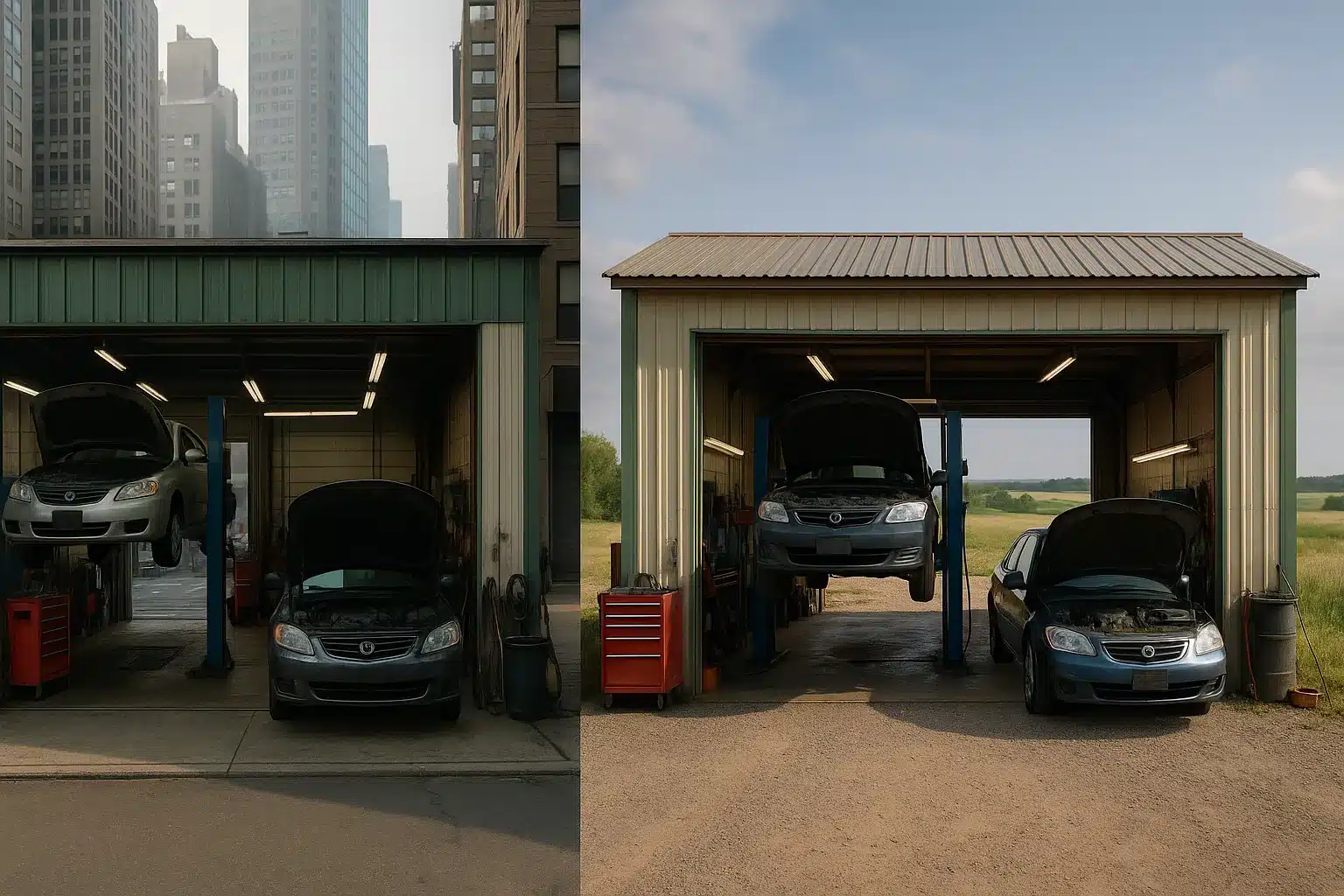
This comprehensive approach ensures that your policy is tailored to your specific business, avoiding costly gaps in coverage.
No upsell. No obligation. Just answers.
Get an Accurate Garage Insurance Quote
Every garage is different, so every quote is unique as well. Insurers will look at:
What Underwriters Evaluate:
At The Coyle Group, we represent multiple top insurers that specialize in garage coverage. We’ll benchmark your costs, compare coverage options, and make sure you’re not overpaying or underinsured.
Why Annual Policy Reviews Are Critical
Your business is dynamic, and so are your insurance needs. An annual review of your garage insurance policy is not just a formality; it’s a crucial step to ensure ongoing protection and cost efficiency.
Adapting to Business Changes:
Have you expanded your services, purchased new equipment, hired more staff, or increased your revenue? These changes can impact your coverage requirements and liability exposure.
Market Shifts:
The insurance market is constantly evolving. New products, pricing adjustments, and carrier appetites can mean better options become available.
Ensuring Adequate Limits:
As your business grows, so does the potential cost of a significant loss. Regular reviews help ensure that your coverage limits remain sufficient to protect your assets and future earnings.
Identifying New Risks:
New technologies, regulations, or types of vehicles you service can introduce new risks that your current policy might not adequately address.
Optimizing Costs:
An annual review is an opportunity to discuss deductibles, explore new risk management strategies, and ensure you’re receiving all eligible discounts, potentially lowering your premiums without sacrificing coverage.
What to Know Before You Buy Garage Insurance
If you’ve read this far, here’s everything consolidated: what garage insurance is, what it covers, what it doesn’t, and what to watch for when buying it.
What Garage Insurance is
Garage insurance is a specialized package policy, not a single coverage, that bundles general liability, garage liability, garagekeepers, property, workers’ compensation, and commercial auto under one program. It’s built specifically for businesses that work on, store, or sell vehicles, because standard business owner policies (BOPs) exclude most of the risks auto shops actually face.
Who needs Garage Insurance
Any business that physically works on vehicles: independent repair shops, body and collision centers, tire and quick-lube operations, dealerships, detailers, and towing operations. If customer vehicles are ever in your care, custody, or control, even briefly, you need garagekeepers coverage as part of the program.
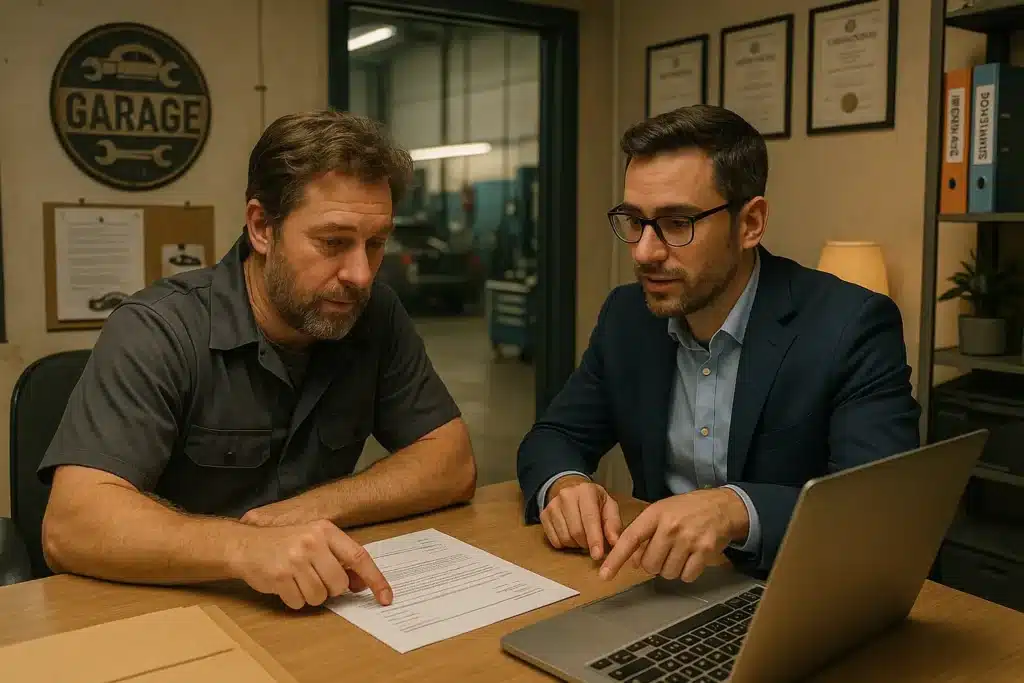
What Garage Insurance doesn’t cover
What Garage Insurance covers
What drives your Garage Insurance cost
Shop type and services performed, annual revenue and payroll, value of customer vehicles on-site, location, claims history, and safety programs. Most shops pay $2,000–$10,000 annually. Body shops and specialty operations run $8,000–$25,000+. A clean three-year claims history alone can reduce premiums 15–25%.
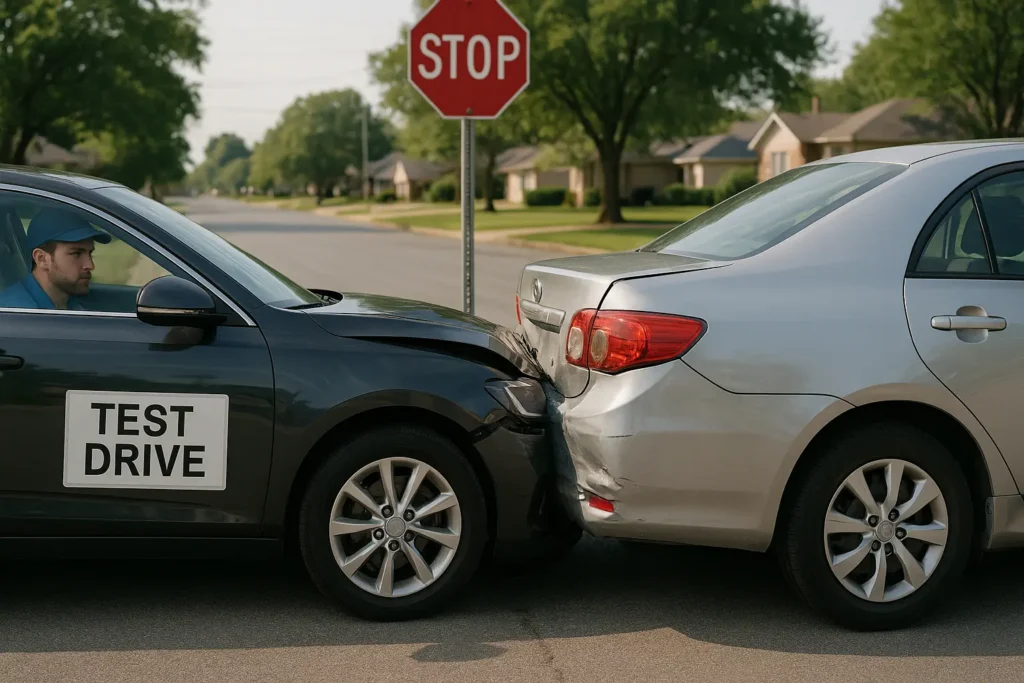
What standard policies miss
A standard BOP or general liability policy won’t cover test drives, customer vehicles, or loaner cars, the exposures that create your biggest daily risk. Many budget policies exclude these by default. The gap only becomes visible after a loss.
What to look for in a broker
Garage insurance has specific technical requirements, garagekeepers’ structure, bailee exposure, dealer plate endorsements, that generalist brokers routinely miss or undervalue. Work with someone who places garage coverage regularly, understands how underwriters evaluate shop operations, and will review your program annually as your business changes. The right broker finds gaps before a claim does.
Questions about Garage Insurance Cost?
Ready to Protect Your Business?
Running an auto repair business takes skill, speed, and trust. Your insurance should do the same.
Get a no-pressure quote from The Coyle Group.
We’ll help you balance cost and protection, so you can focus on running your shop, not worrying about what could go wrong.
Understanding reveals how we assist auto shops and other businesses in establishing comprehensive protection programs that strike a balance between cost and coverage quality.
An experienced broker will proactively schedule these reviews, helping you stay ahead of potential issues and maintain peace of mind. If you own an auto repair shop, body shop, or dealership, getting your garage insurance right isn’t optional. It’s your safety net.
95+
Years of Family Legacy in Insurance
40+
Years Personal Experience
95%
Client Retention Rate
600+
Educational Videos

This article was written by Gordon B. Coyle, CPCU, ARM, AMIM, PWCA, CEO of The Coyle Group, who has over 40 years of experience working with business owners of all sizes and industries across the US, solving their insurance challenges.
Here’s how to take the next step
Schedule Your Insurance Confidence Assessment
In our 30-minute call, you’ll discover:
Not ready for a call?
Get Free Access to Our Gated Video:
“How to Finally Feel Confident in Your Coverage. “
And discover the exact system we use to help business owners eliminate hidden coverage gaps, stop overpaying, and finally feel confident in their protection.
What Peace of Mind Looks Like
Trusted by business owners across the U.S.
The Coyle Group is 1st class! Gordon and his team are knowledgeable, responsive, and attentive to detail. Gordon is that rare breed of professional who genuinely cares for his clients and works hard to exceed their expectations. I highly recommend them.


The insurance brokerage service was truly tailored to my needs, nothing like those big brokers who steer you toward random policies that don’t fit your profile. Thank you to the team for your help.

I was working with another broker and having difficulty acquiring General Liability coverage. A colleague recommended The Coyle Group. They were able to get coverage bound in just a couple of business days and a policy issued in ten days, and with a solid carrier at a competitive premium. Truly impressive results, plus it was a pleasure working with them. I highly recommend the Coyle Group!

If any business is looking to work with an insurance brokerage firm that is not only excellent at what the firm does, but one that deeply values the needs of the clients, then The Coyle Group is the firm for you. Give them a call and see for yourself. I can assure that you will quickly agree.

Want to know more?
See related blogs
How Much Is Commercial Auto Insurance? Costs, Factors & Smart Savings
Auto Detailing Insurance. Custom Hand Wash Insurance

Auto Repair Shop Safety Tips