
Hi, I’m Gordon Coyle, and here where we break down complex insurance topics into easily understandable insights for business owners. Today, we will demystify insurance jargon and focus on an essential aspect of General Liability or GL Coverage Exclusions.
As a business owner, it’s crucial to be aware of what your general liability insurance policy covers and, equally important, what it doesn’t cover. Understanding these exclusions will help you make more informed decisions to protect your business effectively.
General liability insurance is designed to protect your business from various risks and lawsuits but it’s not all-encompassing. There are several exclusions to the policy, and here are just four I’d like to highlight today.
The first GL Coverage Exclusion is the Professional Services Exclusion.
General liability insurance typically does not cover claims arising from professional services you may provide to others. I talk more about professional liability and who needs it in this video: Professional Liability Insurance | E&O – When Do You Need It?
But anytime you’re offering professional advice, guidance, or services, your general liability policy will exclude those professional services, so you’ll need to think about Errors & Omissions insurance in addition to general liability.
Second, are employee injuries

When a worker is injured, this is the domain of workers’ compensation insurance, not general liability coverage. Claims related to work-related injury or illness are covered under workers comp so these claims are a GL coverage exclusion.
The Third GL Coverage Exclusion is Intentional and Illegal Acts
If a claim arises due to an intentional or illegal act, your GL insurance will not cover it.
An intentional act in the context of a general liability policy refers to actions taken by a business or its employees that are deliberate and purposeful rather than accidental. General liability policies typically exclude coverage for damages or injuries resulting from intentional acts, as these are not unforeseen or unintentional occurrences.
For example, if an employee knowingly damages a client’s property or intentionally causes harm to another person, the resulting claims would likely fall outside the scope of coverage. The GL coverage exclusion ensures liability insurance protects against accidental or unintended risks, not deliberate wrongdoing.
Another GL Coverage Exclusions is Pollution.
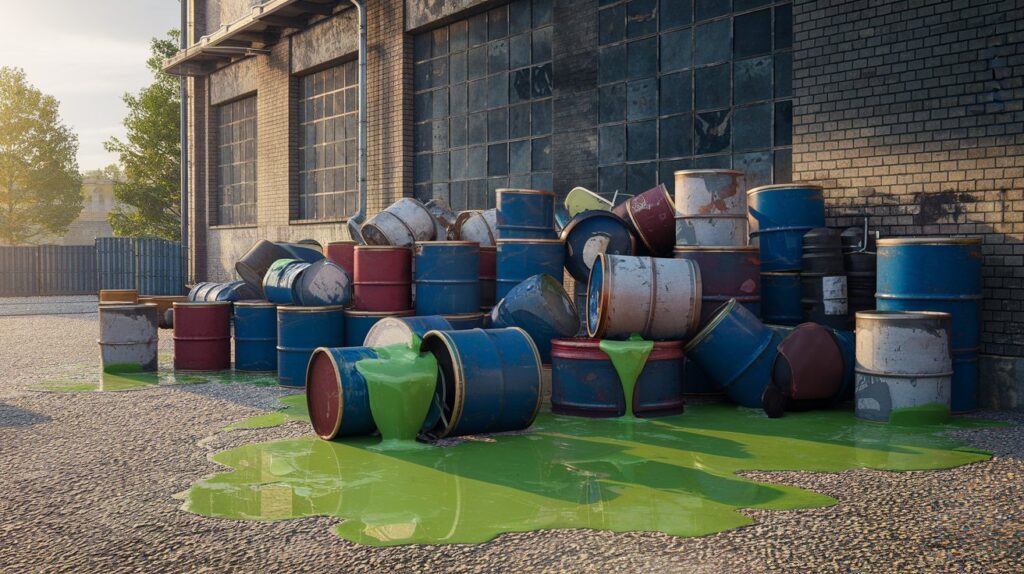
This is often sticky because you don’t need 55-gallon drums of chemicals leaking or an oil tank in the ground to trigger a pollution claim. Something as simple as cleaning solutions can trigger a pollution situation, which will be excluded from the GL policy. But if you do handle hazardous materials you should consider purchasing an environmental liability policy.
These are just four GL coverage exclusions to the general liability policy; there are many others, so I advise you to carefully review your specific policy and ask your broker questions when unsure what is and what’s not covered.
Understanding the intricacies of insurance policies can be overwhelming, but you don’t have to navigate it alone. If you have questions or need expert advice tailored to your business, I’m here to help.”
You can contact me today to schedule a consultation and discuss your general liability and other insurance needs.
Together, we can assess your risks, review your policy exclusions, and determine the best strategies to protect your business effectively.
Don’t let policy exclusions catch you off guard. Take proactive steps to safeguard your business today.
Thanks for reading my blog on demystifying insurance jargon – if you have suggestions for similar videos or issues you find confusing in business insurance, leave your comments below, I’d love to hear from you.
Thanks!