
Errors & Omissions (E&O) Insurance
Protecting Your Business From Costly Risks
How To Get The BestE&O Insurance
Index

Gordon B. Coyle
CEO, The Coyle Group
845-474-2924
How to get started
Executive Summary.TL;DR
What Is Errors & Omissions or E&O Insurance?
Definition & Core Purpose
Errors and omissions insurance (also called E&O insurance) is designed to protect businesses from claims that allege their professional services, advice, or designs caused a client financial loss.
Unlike general liability, which responds to bodily injury or property damage, E&O responds to economic harm, negligence, mistakes, or failure to deliver promised results.
The Insurance Information Institute defines it as coverage for defense costs and damages when a client alleges errors, omissions, or negligence in your professional work. In practical terms, it’s the safety net that allows service-based companies to operate confidently, knowing that one lawsuit won’t wipe them out.
For any firm that offers professional services for a fee, E&O is critically important coverage.
HowIt Differs From Standard Business Insurance
Errors and omissions is often misunderstood. Many business owners assume their general liability policy will respond if a client sues them over bad advice or faulty services. It won’t. Professional liability exposures are excluded from standard commercial policies. For example, a general liability policy will cover a consultant if a client slips and falls in their office, but it doesn’t cover a claim that results from consulting advice that harms a client to the tune of $500,000.
That’s why standalone errors and omissions insurance is necessary. It’s specifically structured to protect against professional liability claims, the kinds of risks service-based businesses face every day.
Why Your Business Needs Errors & Omissions (E&O) Insurance
Understanding the current market environment helps illustrate why errors and omissions insurance has become essential. According to Marsh’s latest insurance rate reports, financial and professional lines have seen significant market changes, with errors and omissions rates increasing 1% in Q4 2024 as insurers respond to evolving claim patterns and litigation trends.
Risks This Coverage Addresses
If your business provides professional services or advice, you face exposures that no general liability policy will cover. Common risks include:

What makes these exposures dangerous is that the damages are purely financial. A client doesn’t have to prove property damage or bodily injury, just that your services cost them money. Defense costs alone can run into six figures, even when claims are groundless.
Real-World Claim Examples
Here are some scenarios that I’ve seen in practice:
Technology Consultant’s Coding Error
A 40-person IT firm delivered software that contained errors, causing a client’s e-commerce platform to fail during peak season. The client sued for lost sales. The E&O policy covered defense costs and contributed to a $750K settlement.
Architectural Design Flaw
A midsize architecture firm miscalculated load-bearing requirements, forcing construction changes mid-project. The client demanded compensation for delay penalties and redesign costs. E&O insurance funded the firm’s defense and paid damages.
Professional Services Misrepresentation
A boutique investment advisory firm overstated the capabilities of a financial product. A client lost money and filed suit. The firm’s E&O policy covered legal defense and negotiated settlements, preventing bankruptcy.
These examples show a pattern: even the most competent businesses make mistakes, and even frivolous claims cost real money to defend. Without errors and omissions insurance, one lawsuit can drain years of earnings.
Key Features of E&O Insurance
Defense Costs (Inside vs. Outside Limits)
Claims-Made Coverage & Retroactive Dates
Extended Reporting Period (Tail Coverage)
Consent to Settle & the Hammer Clause
Definition of “Professional Services”
Coverage for Employees and Contractors
Regulatory or Disciplinary Proceedings
Bottom line
The devil is in the details with E&O. Defense structure, retroactive continuity, hammer clauses, and the definition of services make or break coverage when claims hit. That’s why buying a policy online or “off-the-shelf” may leave you exposed, and why working with an expert broker, like The Coyle Group, is a wise choice.
How Much Does Errors & Omissions (E&O) Insurance Cost?
Cost Drivers
Errors and omissions insurance pricing depends on how risky your services look to underwriters. Key drivers include:

Market Trends and Relative Factors
The professional liability market has experienced notable changes, with important implications for E&O pricing:

Case-Style Examples
IT Services Firm
A 100-employee IT consultancy with strong contracts and no prior claims secured $3M of coverage at a competitive rate because underwriters saw effective risk management.
Engineering Firm with Past Claim
A 70-person engineering practice had a $500K design error claim three years ago. Carriers quoted coverage at significantly higher rates, with some adding exclusions for structural services.
Marketing Agency
A 40-person agency providing digital campaigns with contracts limiting liability obtained broad $2M coverage at favorable terms. Strong engagement letters reassured underwriters.
In my experience, two companies of the same size in the same state can see premiums spread widely apart depending on claims history, service scope, and contracts. The only way to know your true cost is through a tailored quote.
Regulatory and Compliance Considerations
Moving from cost considerations to regulatory requirements, it’s important to understand that E&O insurance isn’t just good business practice, it’s often legally mandated or contractually required.
State and Federal Regulations Impacting E&O
Errors & Omissions insurance isn’t mandated by law for every business, but in many industries, regulators and licensing boards make it a practical requirement.
Securities & Investment Advisors
The SEC and FINRA expect firms to maintain professional liability coverage to protect investors. Some states require proof of E&O before licensing RIAs.
Real Estate Brokers
Many states mandate E&O as a condition of licensure. Currently, 15 states require real estate professionals to carry E&O insurance: Alaska, Colorado, Idaho, Iowa, Kentucky, Louisiana, Mississippi, Montana, Nebraska, New Mexico, North Dakota, Rhode Island, South Dakota, Tennessee, and Wyoming. Without valid coverage, brokers can’t legally operate.
Insurance Agents & Brokers
In several states, holding E&O coverage is required to maintain your license.
Federal Trade Commission (FTC)
While not mandating insurance, the FTC can bring enforcement actions when business practices are misleading or negligent, leading to claims where E&O is critical.
NAIC Guidance
The NAIC highlights that professional liability exposures are not addressed by standard GL or property policies, underscoring the need for standalone E&O.
For businesses in regulated industries, failing to carry E&O isn’t just a financial gamble, it can mean losing your license to operate.
Industry-Specific Compliance Requirements
Beyond regulators, many industries face contractual or professional obligations that make E&O non-negotiable:
Law Firms
Bar associations strongly encourage or require E&O (legal malpractice) insurance. Many clients won’t engage a firm that lacks coverage.
Architects & Engineers
Project owners often require proof of professional liability insurance before awarding contracts. Some government projects mandate minimum E&O limits.
Healthcare Consultants
Hospitals and providers demand consultants carry E&O for advice, billing, or IT services.
Technology Providers
Enterprise clients usually require vendors to carry E&O, often tied to technology E&O or combined with cyber liability.
Accountants & CPAs
Many state boards require E&O to maintain licenses, and clients frequently request proof of coverage.
Example: A 25-person real estate brokerage in Colorado nearly lost its license renewal when it failed to provide proof of E&O coverage. Once renewed, the firm secured higher limits after learning most peer firms carried $2M or more in protection.
Bottom line
Whether it’s a licensing requirement, a client contract, or regulator expectations, E&O insurance is often a must-have for compliance and credibility.
Common Coverage Gaps and Pitfalls
Policy Exclusions Buyers Often Miss
Even with errors and omissions insurance in place, the fine print can leave businesses exposed. Commonly overlooked exclusions and conditions include:

Example
A financial consulting firm began offering IT advisory services but never updated their policy’s “professional services” definition. When sued for a cyber-related error, the insurer denied the claim because IT work wasn’t listed.
How to Choose the Best Errors & Omissions (E&O) Program
What to Look for in a Policy
Errors and omissions insurance coverage can look similar on the surface, but small differences in wording have big consequences. Key factors to evaluate:
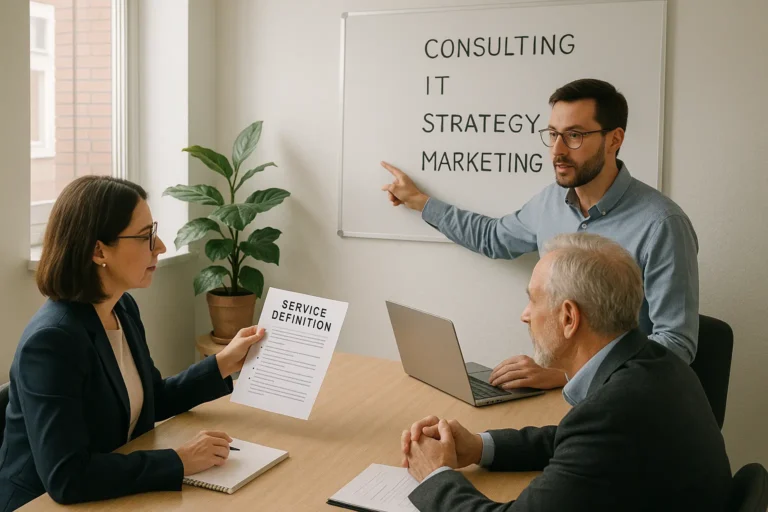
Example
A mid-sized engineering firm carried $1M limits but was sued for $3M after a design flaw caused project delays. Defense plus settlement costs exceeded coverage, forcing the firm to fund the gap. Benchmarking early could have prevented this.
Benefits of Working With The Coyle Group
An experienced broker adds value beyond finding the cheapest premium:
Example: A 50-person IT consultancy initially received a bare-bones quote excluding subcontractors. We negotiated coverage to include contractors, avoiding a potential six-figure uncovered claim.
95+
Years of Family Legacy in Insurance
40+
Years Personal Experience
95%
Client Retention Rate
600+
Educational Videos
Who Needs Errors & Omissions (E&O) Insurance?
Top Professions That Need E&O Insurance
Here are just a few of the top professions that purchase E&O Insurance, but there are dozens more that fall into unique categories:
If your business provides professional advice, design, or consulting services, E&O insurance is often required by contracts and can be the difference between a manageable claim and a business-ending lawsuit.
Questions to Ask Before You Buy
Shopping for business insurance based solely on price often leads to coverage gaps. Choosing an E&O program isn’t about price, it’s about ensuring that when the claim comes, your coverage responds the way you expect.
Questions aboutErrors & Omissions (E&O) Insurance?
Get the Right Errors & Omissions (E&O) Insurance for Your Business
Mistakes happen. Deadlines get missed, specs get miscalculated, and advice doesn’t deliver the promised results. When clients claim those mistakes cost them money, the lawsuit lands on your desk.
Here’s the hard truth:
The right E&O program does three things:
At The Coyle Group, we’ve spent decades helping business owners secure the right insurance, not boilerplate, but tailored coverage that holds up when claims hit.

This article was written by Gordon B. Coyle, CPCU, ARM, AMIM, PWCA, CEO of The Coyle Group. With more than 40 years of experience helping businesses across professional services, technology, construction, financial services, and specialty industries, Gordon is recognized for his deep expertise in Errors and Omissions (E&O) insurance.
Ready to protect your business?
Schedule Your Insurance Confidence Assessment
In our 30-minute call, you’ll discover:
Not ready for a call?
Get Free Access to Our Gated Video:
“How to Finally Feel Confident in Your Coverage. “
And discover the exact system we use to help business owners eliminate hidden coverage gaps, stop overpaying, and finally feel confident in their protection.
What Peace of Mind Looks Like
Client Testimonials
I have discussed a variety of complex business opportunities with Gordon revolving around importing and exporting specialty goods globally and his knowledge and expertise has been invaluable.
He’s been able to pinpoint key risk issues and provide solutions effectively and efficiently and highly recommend him.
John Luce
CEO/Founder, Costa Rica Coffee Trade Group USAGordon goes beyond just being our insurance broker, but is truly a trusted advisor in our opinion. We know we can tap into his knowledge as well as his rolodex to help our business grow and succeed.

Michael Soltoff
CEO, Eggersmann USAExperts in their field, quick to respond to questions, trustworthy and reliable. Our business has been with the Coyle Group for over 40 years

Alison Frankel
Associate Artistic Director, Coupe Theatre StudioThe Coyle Group is on top of things! Their team is incredibly responsive and professional with a comprehensive approach to all your insurance needs. Highly recommend.

Sari Jepsen
Director of Finance, Scandic BuildersThe Coyle Group is 1st class! Gordon and his team are knowledgeable, responsive, and attentive to detail. Gordon is that rare breed of professional who genuinely cares for his clients, and works hard to exceed their expectations. I highly recommend them.

Jeff Carton
Partner, Denlea & Carton, LLPThe Coyle Group took time to understand our business and our needs and has offered us customized solutions. The staff is friendly, responsive, and above all, they really know the industry.
Highly recommend!
Victoria Shire
Vice President HERE to HEREOur company has been with The Coyle Group over 10 years, and we couldn’t be more thoroughly satisfied. Their knowledge, expertise and professionalism are unmatched by anyone else we’ve worked with. Very responsive and helpful team!

Jaclyn Di Meo
Director of Finance, T.A. SciencesGordon and his team are a tremendous resource for our firm since its founding. Their deep expertise and quick turnaround time on critical issues have been exemplary.

Catherine Ryan
VP of Operations, Jaguar Growth Partners
Want to know more?
See related blogs

E&O Insurance for Wealth Managers | What Is It? Who Needs It? Why Is It Needed?

E&O Insurance for Financial Planners | What Is It? Who Needs It? Why Is It Needed?

E&O Insurance for Financial Advisors | What Is It? Who Needs It? Why Is It Needed?